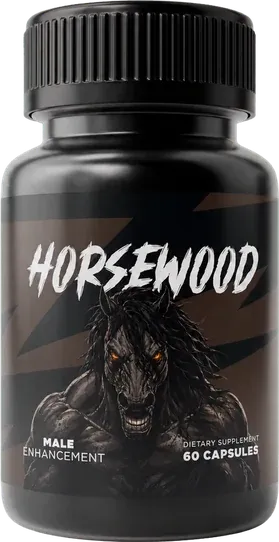
Horsewood Guides: Men's Vitality and Supplement Buying Guides
The Horsewood guides are free, plain-English reads on men's vitality and supplement buying. Start with the men's vitality guide, then use the dose-first checklist on any bottle. Three short blog posts cover tongkat ali doses, boron and label reading. A glossary explains terms like extract ratio, elemental boron and icariin.
Every Horsewood guide and blog post in one place
This hub collects the Horsewood reading on men's vitality and supplement buying. It holds two long guides and three short blog posts.
Every piece is written in plain English and links to its sources. Pick a card to begin.
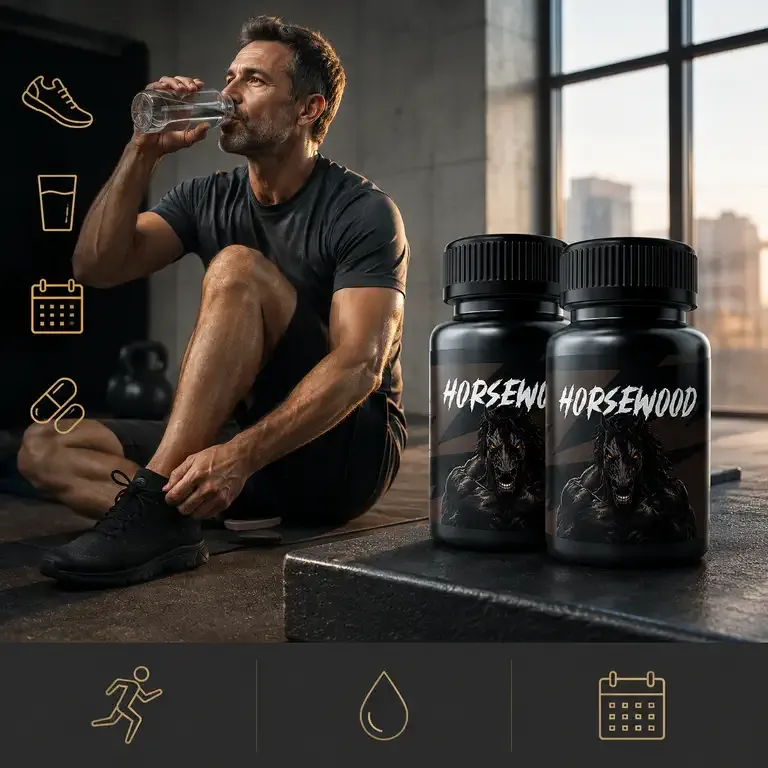
Men's Vitality Guide: Hormones, Blood Flow and Daily Habits
How sleep, exercise, alcohol, weight and stress shape energy and drive, and when a doctor visit comes first.
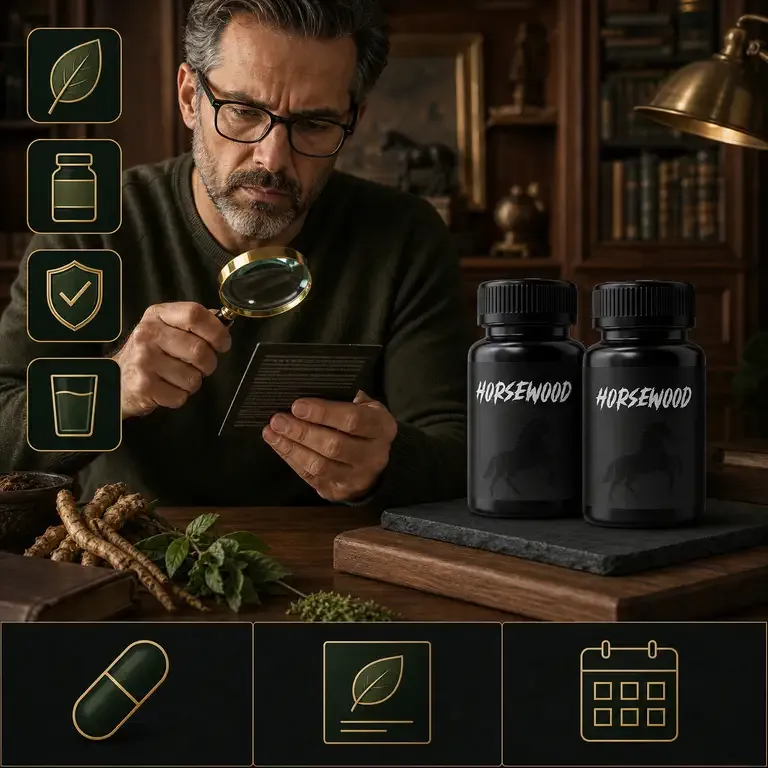
Choosing a Men's Vitality Supplement: A Dose-First Checklist
Six checks to run on any bottle before you pay, with an honest score for one product.
Tongkat Ali Doses Explained
Why 10 mg of a 100:1 extract is not the same as 1,000 mg, and what trials actually used.
Does Boron Raise Testosterone?
What one small study found, what the upper limit is, and why the elemental amount matters.
How to Read a Men's Supplement Label
A line-by-line tour of the Supplement Facts panel, from serving size to lot number.
What the Horsewood men's vitality guide covers
The men’s vitality guide explains how hormones, blood flow and daily habits fit together. Read it first if the topic is new to you.
It moves from the basics of blood flow to five habits you can change this week. Then it shows where a supplement fits and where it does not.
- Why sleep and exercise matter more than any capsule.
- How alcohol, extra weight and stress drag down drive.
- Why erection problems can be an early warning about the heart.
- What trials found for tongkat ali, and in which men (Leisegang et al., 2022).
What the Horsewood dose-first checklist covers
The dose-first checklist gives you six questions for any men's supplement. It turns a crowded label into a clear pass or fail.
It starts with printed amounts, then moves to extract ratios, research doses, hidden-drug red flags, claim wording and the refund desk. Then it scores Horsewood on the same list.
Horsewood does well on openness, because every amount is on the label. It does poorly on dose, because most amounts are far below what studies used. The checklist shows both results side by side.
What the Horsewood blog posts explain
Each blog post takes one narrow question and answers it in a short read. They pair well with the two guides.
Tongkat ali doses explained
The tongkat ali dose post unpacks the label's “100:1” and “1,000 mg equivalent” wording. It sets them against trials that gave men 100 or 200 mg of standardized extract a day (Chinnappan et al., 2021).
Does boron raise testosterone?
The boron post looks at a one-week study in eight men (Naghii et al., 2011). It also covers the upper limit for daily boron (NIH ODS, 2022).
How to read a men's supplement label
The label reading post walks through each line of a Supplement Facts panel. It uses the Horsewood label as the worked example.
Men's supplement glossary: the terms the guides use
These eight terms show up on labels and throughout the guides. Each one gets a short, everyday definition.
| Term | What it means |
|---|---|
| Extract ratio | How much raw plant went into the extract. A 100:1 ratio means about 100 parts of plant made 1 part extract. It says nothing about the active compounds. |
| Standardized extract | An extract tested to hold a set amount of a marker compound. Most trials report their dose this way, in milligrams. |
| Elemental boron | The weight of the boron itself, not the compound it is bound to. The daily upper limit is set in elemental boron. |
| Icariin | The main compound studied in horny goat weed (epimedium). Labels often do not say how much is inside. |
| Diosgenin | A plant compound in wild yam. Labs can make hormones from it, but the body cannot (MSKCC, 2022). |
| UL (Tolerable Upper Intake Level) | The most of a nutrient most adults can take each day without likely harm. For boron it is 20 mg (NIH ODS, 2022). |
| Structure/function claim | A label claim that a product supports a body function. The FDA does not approve these claims first (FDA, 2024). |
| Lot number | A batch code printed on the bottle. It lets a maker trace one production run if a problem comes up. |
Which order to read the Horsewood guides in
New to the topic? Follow this order. Each step builds on the one before.
Learn the basics
Read the men's vitality guide to see how hormones, blood flow and habits connect.
Learn to read a label
Read the label post, so the Supplement Facts panel stops looking like code.
Check two ingredients
Read the tongkat ali and boron posts to see what real doses look like.
Run the checklist
Use the dose-first checklist on any bottle before you buy it.
Men's supplement myths the Horsewood guides test
Supplement ads lean on a few ideas that fall apart under a closer look. The guides check each one against research.
“The equivalent figure is the real dose.”
A dry-powder equivalent is a conversion. Trials weigh the extract itself, so the two numbers do not compare.
“Any amount of a good herb helps.”
Tongkat ali trials used 100 to 600 mg a day (Leisegang et al., 2022). A tiny amount is not a small version of the same result.
“Wild yam is a natural hormone.”
The body cannot turn wild yam's diosgenin into hormones (MSKCC, 2022).
“Natural means safe.”
Horny goat weed has heart-rhythm case reports and drug interactions (MSKCC, 2023).
“FDA approved this supplement.”
The FDA does not approve supplements (FDA, 2026). Those words on a bottle are a red flag.
“A capsule can stand in for a checkup.”
Erection problems can point to heart trouble. Only a doctor can rule that out.
Who the Horsewood guides are for
The guides serve grown men who would rather read the evidence than the ad copy. Partners who want to understand the topic are welcome too.
You do not need a science class to follow them. A reader might own a bottle already, or might be weighing two brands at the store.
Sentences stay short, and new words get a definition on first use. The glossary above backs that up.
Age does not matter much here. What matters is wanting a calm read over a sales pitch.
How the Horsewood guides pick and check sources
Each source in the guides was read in full before it was cited. The list leans on human trials, Cochrane reviews and public pages from the FDA, NIH and Memorial Sloan Kettering.
A citation link opens the original paper or page. Small, short or mixed results are labeled as such.
- Human studies rank above animal or lab studies.
- Each trial is described with its dose, length and number of people.
- No study is presented as testing Horsewood itself.
- Facts the seller has not published are marked as missing.
If a fact looks wrong, write to [email protected]. The guide gets rechecked and its date changes.
What the Horsewood guides leave out
The guides explain general research. They do not diagnose anything or tell you what to take for a health problem.
They also make no promise about results from Horsewood or any other product.
- Personal medical advice or treatment plans.
- Promises about size, stamina or performance.
- Comparisons with prescription medicines.
- Brand rankings or “top pick” lists.
Once the terms feel familiar, the product pages get easier to judge. The Horsewood ingredients page covers all seven actives, and the FAQ answers 35 short questions.
Horsewood guides: common questions
Do the Horsewood guides cost anything?
No. Every guide and blog post is free to read. There is no account, no email sign-up and no paywall.
Are the Horsewood guides medical advice?
No. They explain published research in everyday words. Questions about your own body belong with your doctor.
Which guide should I read first?
Start with the men's vitality guide. The checklist and the three blog posts build on the ideas it explains.
Do the guides say Horsewood will work for me?
No. They cover research on single ingredients, not on Horsewood. They also point out where Horsewood's amounts sit far below the doses used in studies.
Where does the research in the guides come from?
Each claim links to a journal paper or a public page from the FDA, NIH or a cancer center. Nothing is cited that the writers have not opened and read.
How are the guides kept current?
Each guide shows a “Last updated” date near the top. The most recent round of checks ended on September 24, 2026.